Living Conditions
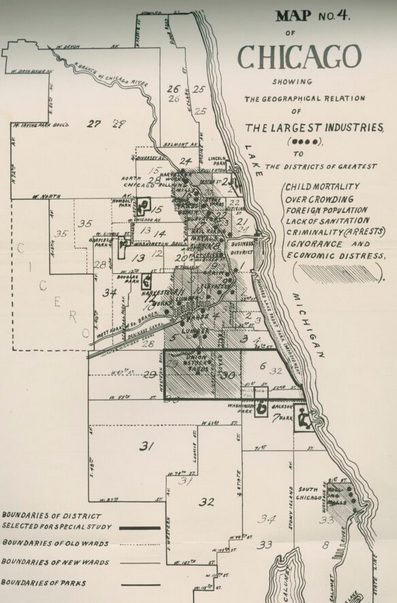
At the turn of the 20th century, Chicago’s Union Stock Yard, also known as Back of the Yards, was a central hub for the U.S. meatpacking industry. The neighborhood around the stockyards was an industrial area marked by extreme poverty, overcrowding, and unforgiving working environments. The stockyards themselves were infamous for the overpowering smell of slaughterhouses. They also played a significant role in shaping the lives of the immigrant workers in the community.
Working Class Community
Most of the community were recent immigrants from Eastern and Southern Europe. Immigrants had come to Chicago seeking a better life, but were faced with a grueling experience. They worked long hours in dangerous, unregulated conditions. Their living and working environments were unsanitary. Most of the community worked in the dangerous meatpacking industry, where work was physically demanding and hazardous. Many workers suffered from injuries and illness due to the lack of safety measures in place.
Health Concerns
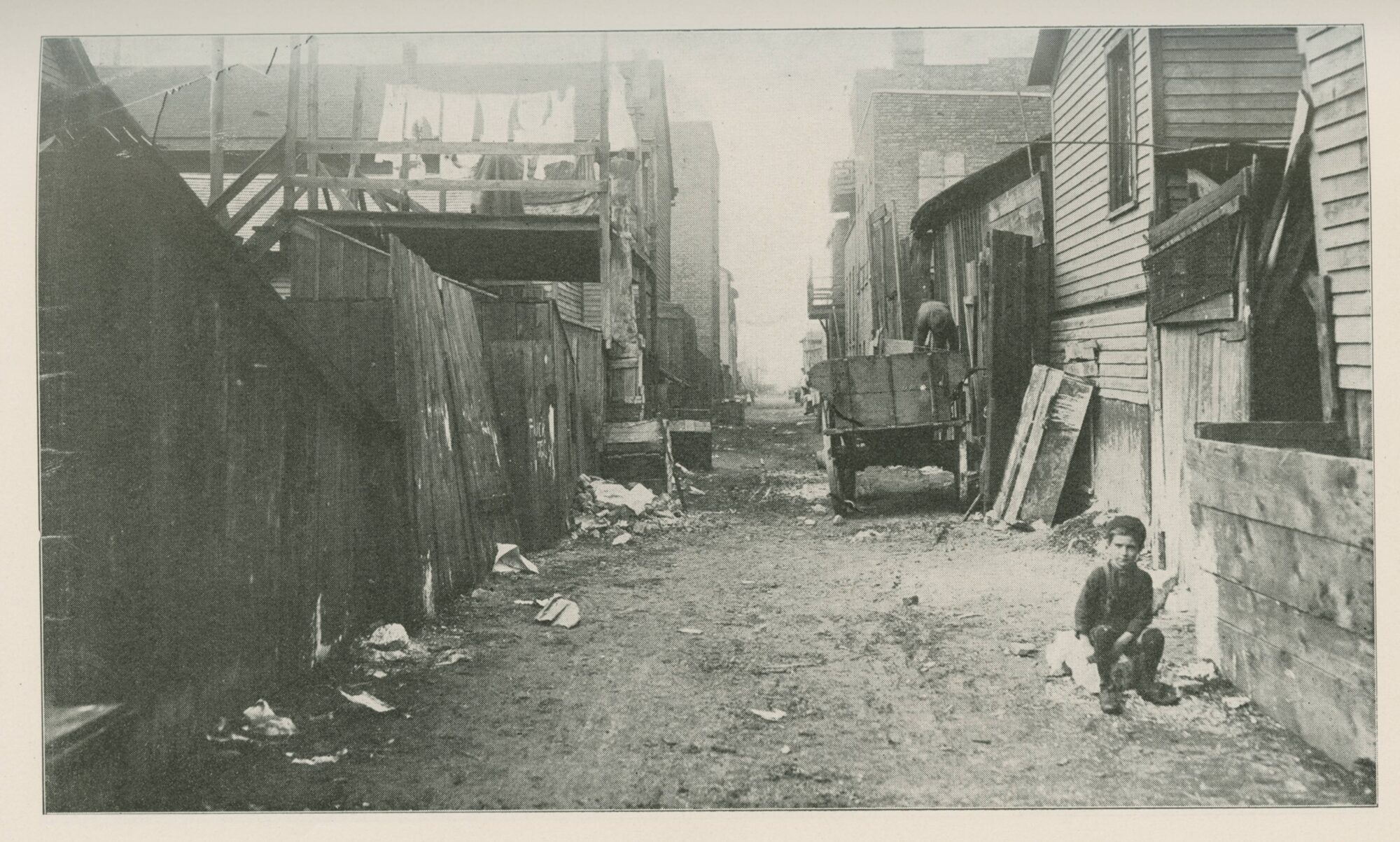
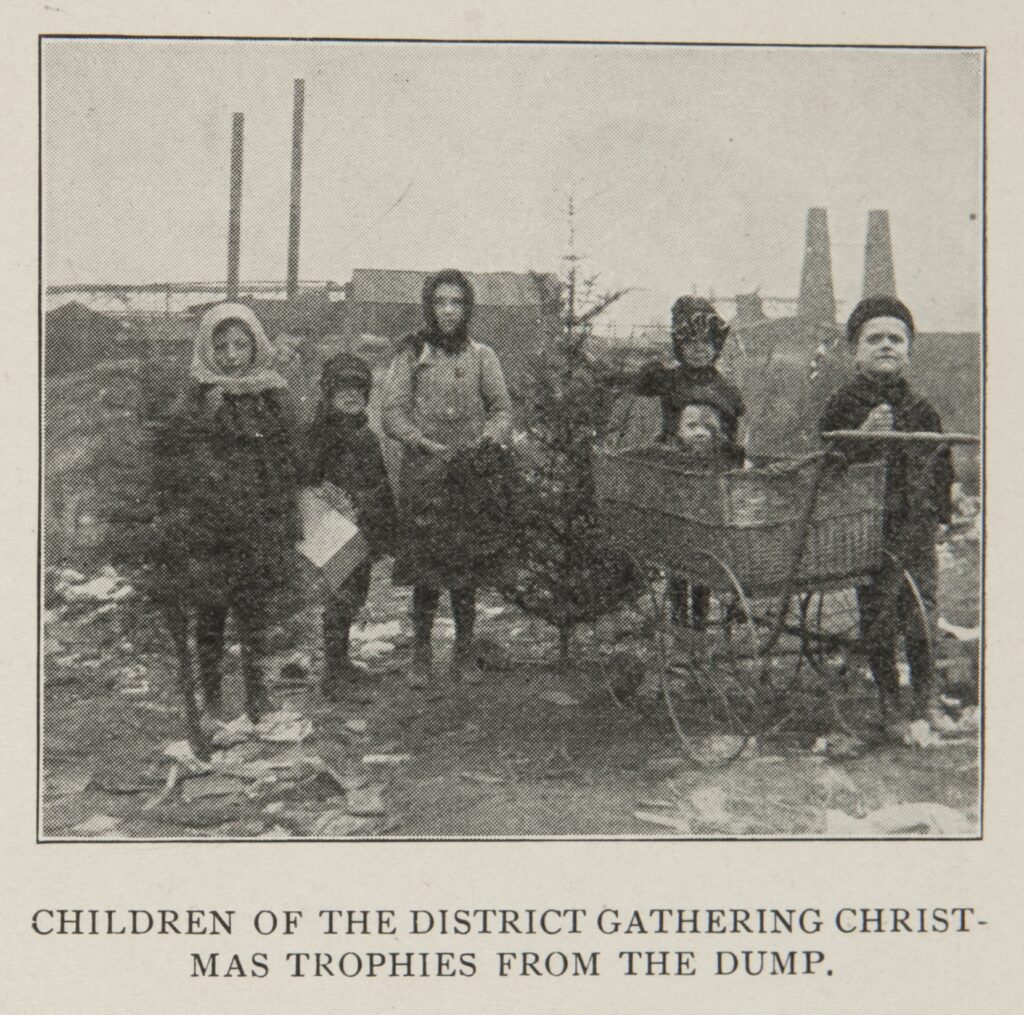
People who lived in cramped, poorly maintained tenements near the stockyards. These homes lacked proper plumbing and heating, leading to poor living conditions and the spread of disease. The streets around the stockyards were filled with waste, and the air was thick with the stench of animal slaughter. As a result, the neighborhood saw high rates of child mortality and frequent outbreaks of diseases like tuberculosis.