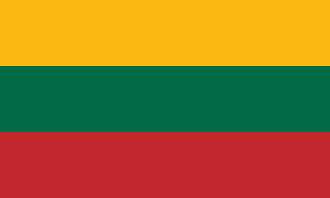
Upton Sinclair’s opens The Jungle with a vivid and detailed depiction of a Lithuanian wedding, known as a veselija. This scene introduces us to the characters and the Lithuanian immigrant community in early 20th century Chicago. Sinclair’s adamant research paints a realistic picture of Lithuanian tradition and wedding practices.
Veselija
The veselija is a communal celebration that extends beyond the bride and groom to include family, friends, and the wider community. It is expected to last for many hours, sometimes extending into the early morning. It is marked by music, dancing, toasting, and feasting. Guests are traditionally expected to contribute financially to the newlyweds. This is done by placing money in a hat or on a plate, symbolizing communal support. The wedding highlights traditional gender roles. Men act as providers and protectors, while act as caretakers and homemakers. The community reinforces these roles through ritual and expectation during the celebration. However, throughout the novel and within the community during this time, women still worked. Everyone needed to work in order to survive and provide for their family.
Šakotis
The Eiffel-Tower-shaped cake Sinclair describes in the wedding scene is called a šakotis (shah-KOH-tees). A šakotis is a large, tree-shaped cake used in celebrations. Making a šakotis is a labor intensive process. Bakers pour batter onto a rotating spit over an open flame or heat source. As it cooks, it drips forming spiky branches. The literal translation of šakotis is “branched.” In Lithuanian culture, the šakotis symbolizes growth, fertility, and prosperity. Its shape is thought to represent the family tree and the branching out of future generations. See how this traditional Lithuanian treat is made below!
Sinclair emphasizes the cake, making it a significant item in the story. In The Jungle, the šakotis works visually and symbolically to convey the effort the Lithuanian community has made to honor tradition. Sinclair’s inclusion of the cake reflects his careful attention to remaining authentic in his portrayal of the Lithuanian community. Although, Sinclair never identifies it as a šakotis, it still acts as a marker of cultural identity in the story.
Music and Dance
The first chapter of this book is filled with music and dancing. These are important aspects of the veselija. Dances follow a particular order. One big moment in this chapter is the bride’s dance. In this sequence, every male gust is expected to dance with the bride and give her money in exchange. This act serves both a symbolic and practical function. It’s a rite of passage and a way to collect funds for the couple’s future. Over time this tradition has become less popular, but viewing the example of traditional Lithuanian folk dance below can help you visualize the energy at the veselija.
The Lithuanian Language
The Lithuanian language is the oldest living Indo-European language. It is one of the three Baltic languages in the world—Lithuanian, Estonian, and Latvian. Lithuanian is considered the most unchanged Indo-European language, meaning it has retained its archaic qualities more than any other language. In spite of a tumultuous political history and multiple attempts by dictatorships to destroy literacy, Lithuania has kept its language alive. A fun fact about Lithuanian is that there are no articles (a, an, the)!