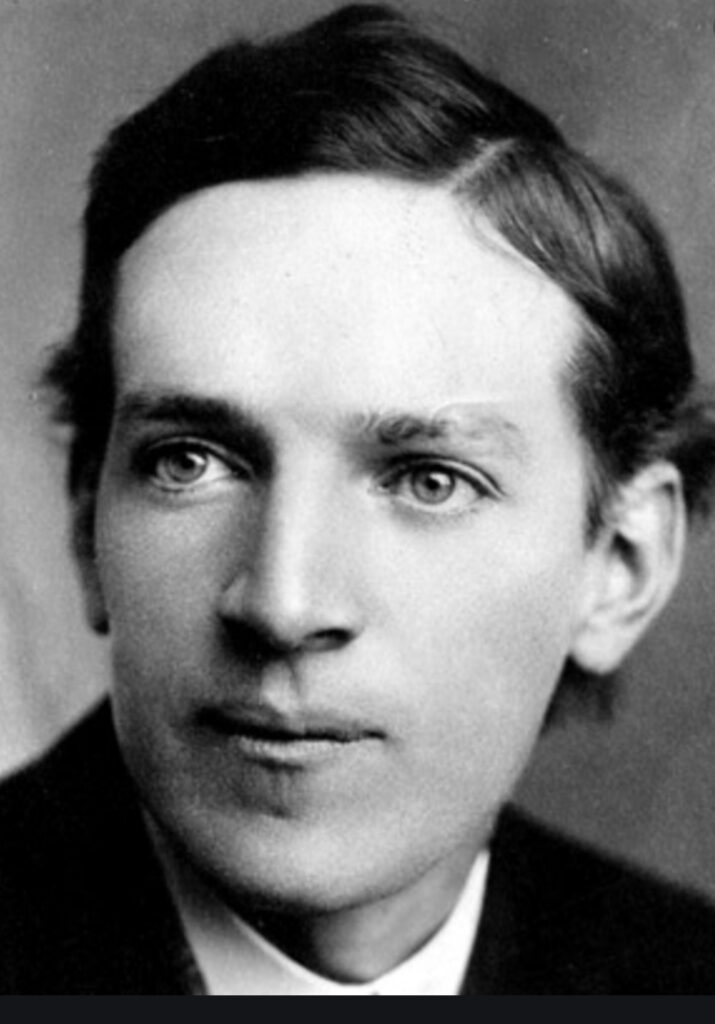
Upton Sinclair spent seven weeks undercover in Chicago’s meatpacking plants, hoping to write an exposé of industrial labor. However, the gruesome details throughout the story led readers to be less concerned with Sinclair’s socialist ideology, and more focused on their food. Images of moldy, blood-splattered packinghouse littered with disease and urine made readers terrified of buying meat. Outrage became so extreme, eventually the president intervened. Congress had seen hundreds of bills regarding food regulation since 1879, but none had ever passed. Only five weeks after The Jungle was published, President Theodore Roosevelt signed the first law regulating food in American history.
“I wished to frighten the country by a picture of what its industrial masters were doing to their victims; entirely by chance I had stumbled on another discovery—what they were doing to the meat-supply of the civilized world. In other words, I aimed at the public’s heart, and by accident I hit it in the stomach.“
Upton Sinclair
Historical Significance of The Jungle
The Jungle was written by Upton Sinclair in 1904. The story was first published in installments in the socialist newspaper “Appeal to Reason” in the months of February until November in 1905. Although The Jungle has a limited audience at first, it quickly became popular. In February of 1906, Doubleday, Page & Company published the story as a revised novel, selling more than 150,000 copies in its first year. Since its 1906 publication, the novel has never been out of print.
Sinclair hoped his telling of the horrible, “wage slave” working conditions in the meatpacking industry would provoke outrage for unfair working conditions. His gruesome depictions did incite strong responses. However, it was not what he had expected.
Readers became less concerned with the harsh realities of capitalism, and more focused on the depictions of food processing. The novel depicts blood-splattered walls, dead rats, tuberculosis-ridden employees, and toilets next to unprocessed meat. In 1904, all of this was perfectly legal.
Food manufacturing was unregulated. Congress had no interest in passing legislation because of how much money they were making. Congress and food companies were able to profit more when food was left unregulated. Politicians received campaign funds from companies, and companies could do whatever they wanted to get the most profit.
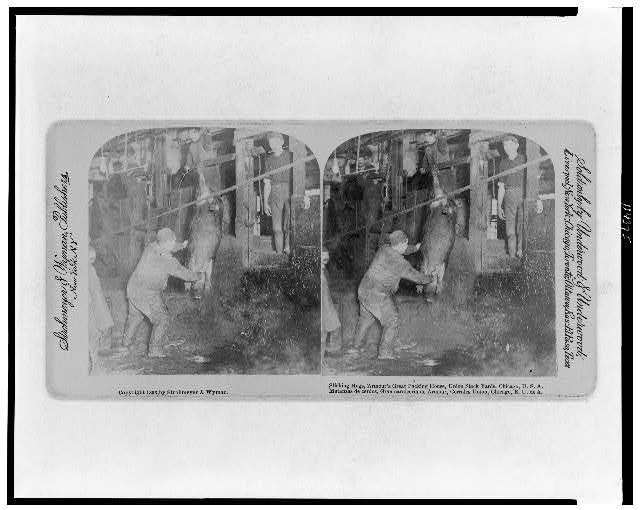
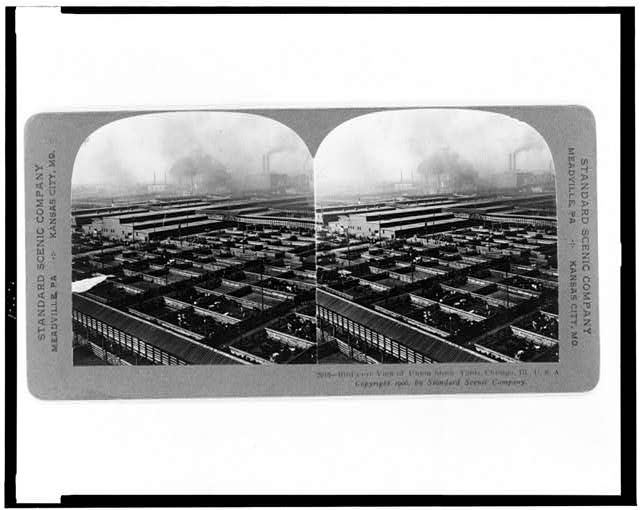
Images courtesy of the Library of Congress LOT 11985
When the public became outraged at this detailed portrait of the meatpacking industry, pressure was put on President Theodore Roosevelt. Although the president had voiced his support for a federal food safety law before The Jungle was published, action was slow on the bill. Congress stalled as Roosevelt invited Sinclair to the White House to discuss the working conditions he saw.
Roosevelt assured Sinclair he was sending two independent investigators to Chicago’s stockyards. This helped alleviate the public’s outrage. However, meat sales continued to drop. In the meantime, Roosevelt sent labor commissioner Charles Neill and social reformer James Reynolds to inspect Chicago’s meatpacking facilities.
Packing houses knew of the visit in advance. The investigators found conditions worse than those described in The Jungle.
The White House released an official summary of the Neill-Reynolds investigation. The findings completely obliterated any opposition to a meat safety bill. On June 30, 1906, Roosevelt signed the first comprehensive federal food safety law in American history, The Meat Inspection Act. The Pure Food and Drug Act followed shortly after, creating what we now recognize as the U.S. Food and Drug Administration (FDA).
The public had been pushing for food regulation since the pure food movement in the 1880s. Only after readers across the country encountered The Jungle, did it gain any real traction. The Jungle is a prime example of how novels have the power to influence society.